TMS Therapy Explained: A Hopeful, Non-Invasive Option for Depression and Anxiety
You’ve tried medications and therapy, but depression or anxiety still weighs you down. Treatment-resistant depression can feel like an endless battle, leaving you searching for answers. Transcranial Magnetic Stimulation (TMS) therapy offers a gentle, non-invasive depression treatment that targets the brain directly, helping many find relief when other options fall short. Let’s explore how TMS works and what it could mean for your path to healing.
Understanding TMS Therapy

TMS therapy is making waves in the world of mental health. It's an option worth exploring if other treatments haven't worked for you.
How TMS Works
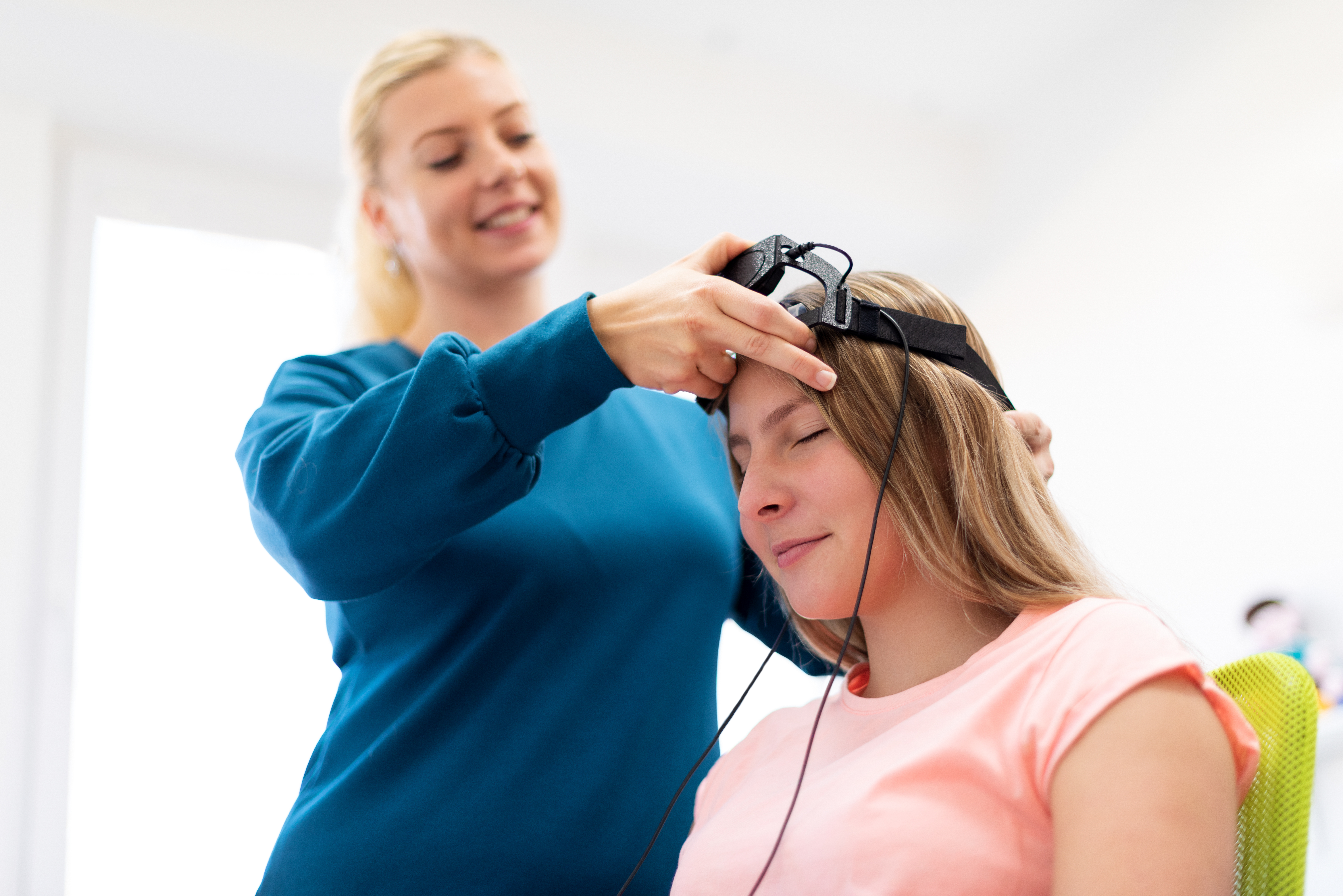
Here's how TMS therapy works: a magnetic coil is placed on your head. This coil sends magnetic pulses to specific brain areas linked to mood. The process is simple and doesn't involve medication.
Each session lasts about 20 to 40 minutes. You can relax in a chair, while the device does its job. There's no need for anesthesia, and you can resume daily activities right after. FDA-cleared TMS is designed to be a safe choice for people dealing with depression.
Wondering about the science behind it? TMS stimulates nerve cells, aiming to improve how your brain functions. Research supports its use in easing symptoms of treatment-resistant depression. Learn more about TMS therapy here.
TMS for Anxiety and Depression
TMS therapy isn't just for depression. It can also help with anxiety. For many, traditional treatments might not work as expected. That's where TMS steps in, offering an alternative.
Think of TMS as a non-invasive way to reset certain parts of your brain. When anxiety and depression weigh you down, TMS might lift that burden. It provides a targeted approach, focusing on brain regions that control mood.
You might wonder about the feeling during treatment. Most people describe a tapping sensation. It's not painful, and many find it manageable. As you explore options, consider how TMS might fit into your plan for better mental health.
Benefits and Considerations

Before diving into TMS, it's vital to weigh its benefits and any possible drawbacks. Understanding these factors can guide your decision.
TMS Effectiveness and Side Effects
TMS therapy offers real hope for those who haven't found relief with other methods. Studies indicate that around 50% to 60% of patients experience significant improvement, and some achieve full remission. This statistic highlights the potential of TMS in managing symptoms.
Common concerns include side effects. With TMS, they're generally mild. You might feel a slight headache or scalp discomfort right after treatment. Fortunately, these are temporary and often lessen with time. Unlike medications, TMS doesn't carry systemic side effects, making it a safer alternative for many.
TMS vs Medication
Comparing TMS to medication can help you make informed choices. Medications often come with a list of side effects, from weight gain to sleep disturbances. TMS, on the other hand, skips these systemic issues altogether.
Here's how they differ:
TMS: Targets brain regions directly, sidestepping many side effects.
Medication: Affects the entire body, possibly leading to unwanted reactions.
Both options have their place in treatment plans. For those facing treatment-resistant depression, TMS can be a turning point. It's essential to discuss all possibilities with your healthcare provider, considering what works best for you.
Aspire TMS Clinic Experience
Choosing the right clinic can make a big difference in your TMS journey. At Aspire TMS Clinic, we focus on creating a supportive environment.
What to Expect at Our Clinic
Walking into Aspire TMS Clinic, you'll notice our welcoming atmosphere. We prioritize your comfort, ensuring you feel at ease from the start. Our staff is here to guide you through every step, answering questions and addressing concerns.
During your visit, you’ll meet with experienced professionals who tailor treatment to your needs. Expect a personalized approach, where your mental health goals are front and center. The clinic’s ambiance is designed to be calm, helping you relax during sessions.
Your treatment experience includes ongoing support. We believe in a partnership model, where your feedback helps refine the process. Our commitment is to be with you every step of the way.
Scheduling and Support Options
Flexibility is key at Aspire TMS Clinic. We offer scheduling options that fit your lifestyle, including evening and weekend appointments. This flexibility ensures you can prioritize your mental health without disrupting your daily routine.
Beyond scheduling, our support extends to understanding insurance coverage. We work with you to clarify benefits and handle the details, so you can focus on healing.
Choosing TMS is a significant step, and we're here to help you navigate it with confidence. Our team is ready to discuss any questions or concerns, ensuring you feel supported throughout your journey to better mental health.
In conclusion, TMS therapy offers a promising path for those struggling with depression and anxiety. It's a non-invasive treatment with the potential to transform lives. Consider reaching out to a professional to explore if TMS is right for you.


